When people argue about coffee quality, the debate almost always starts with arabica vs robusta coffee. You see both names printed on supermarket bags, instant coffee jars, and premium espresso blends, yet many coffee drinkers still don’t fully understand what truly separates them physically and chemically.
In 2026, most specialty roasters and home-brewing guides continue to recommend Arabica coffee beans for their superior flavor clarity, acidity, and balance. However, Robusta coffee beans still play a vital role in the global market, especially for creating rich crema in espresso machines, traditional moka pot brews, and giving that necessary “kick” in morning blends.
This guide explains the real difference between arabica vs robusta coffee: how each type tastes, how growing altitude affects price, why Robusta often feels more bitter, and when you should actually choose a blend over a single origin.
Popular Arabica and Robusta Beans to Try
The best way to learn your preference is to brew them side-by-side using the same grinder setting.


As an Amazon Associate, we earn from qualifying purchases. Images from Amazon Product Advertising API.
Arabica vs Robusta Coffee at a Glance
At a basic level, the battle of arabica vs robusta coffee comes down to refinement versus strength. Arabica (Coffea arabica) is generally smoother, acidic, and sweeter. Robusta (Coffea canephora) is potent, bitter, and significantly higher in caffeine.
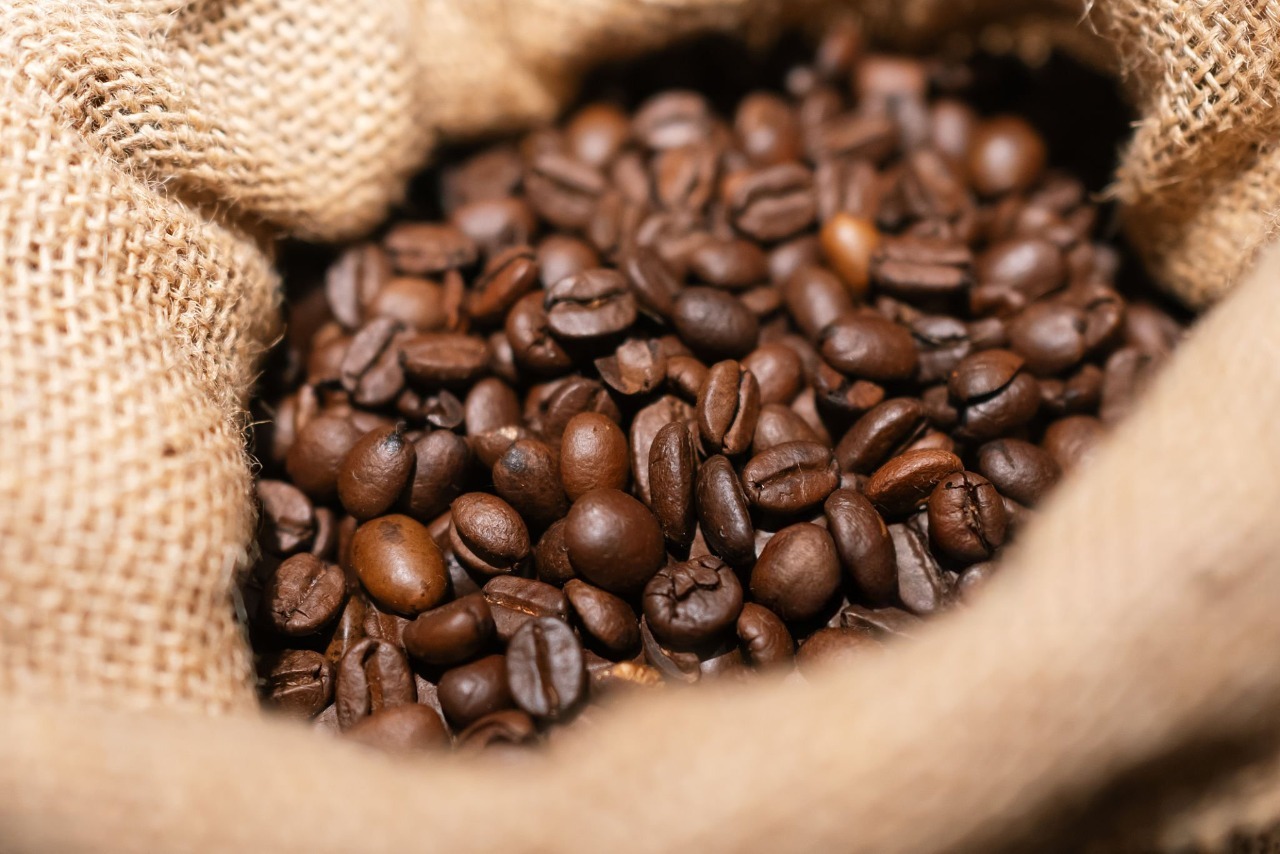
Arabica Coffee Beans
Valued for a smooth body, high acidity, and complex flavor notes like berries, sugar cane, or nuts. Ideal for manual brewing methods like Pour-over, Drip, and specialty Espresso.
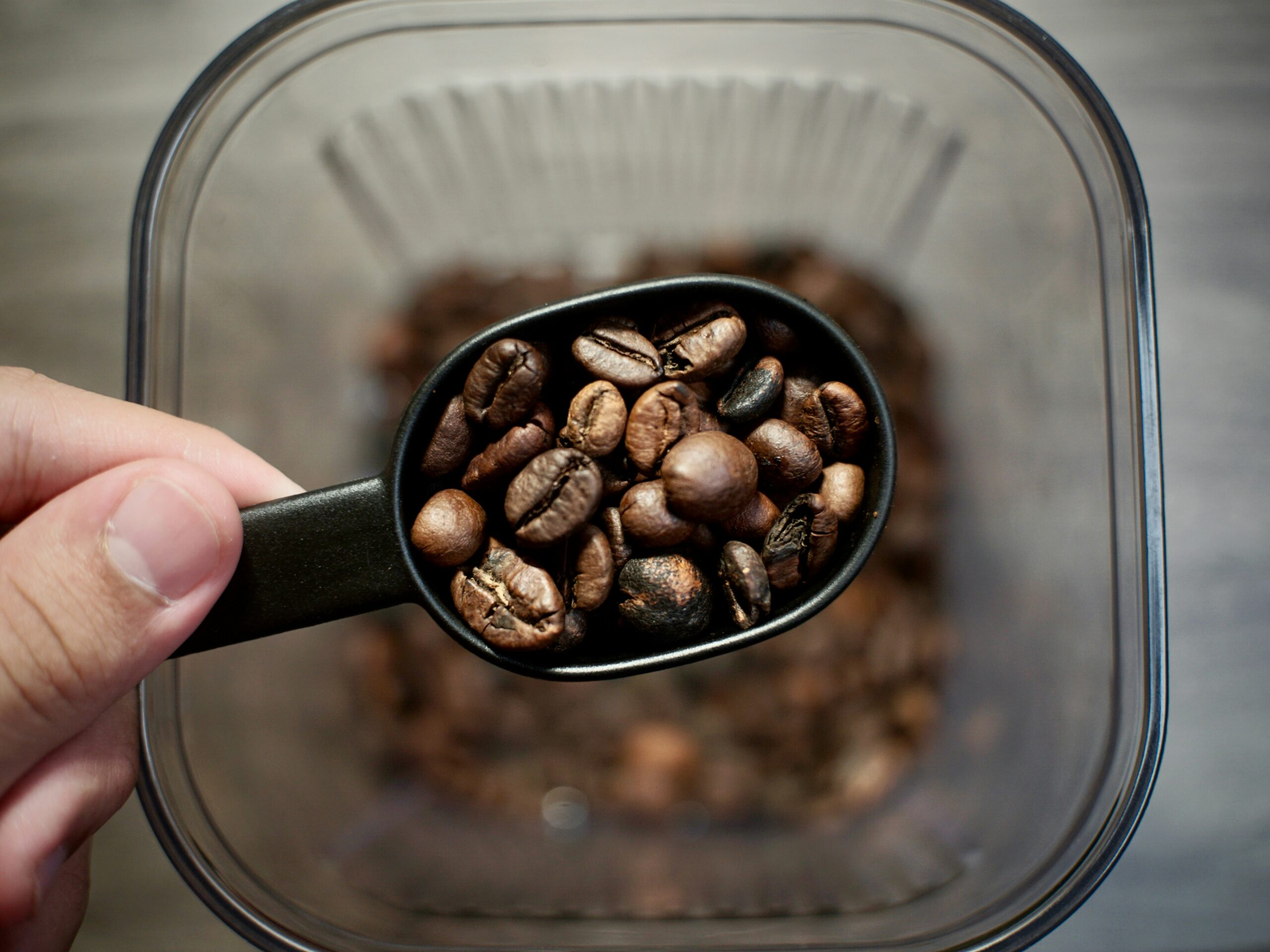
Robusta Coffee Beans
Stronger, harsher, and earthy (often described as woody or rubbery). Contains nearly double the caffeine of Arabica. Essential for thick crema and instant coffee production.
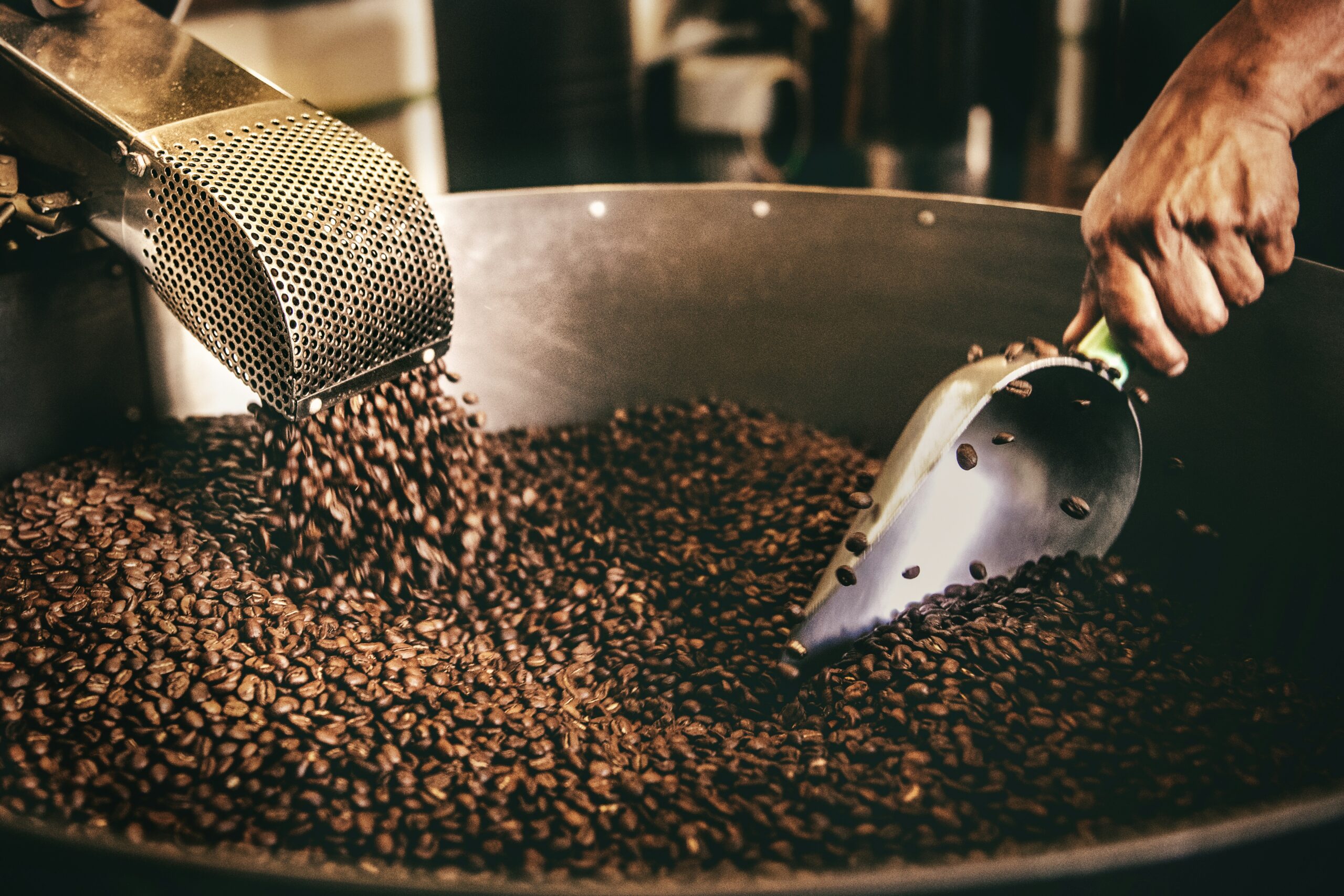
Arabica–Robusta Blends
Combines the aroma and sweetness of Arabica with the body and crema of Robusta. These blends are the secret weapon for classic Italian-style espresso and milk-based drinks.
Why is Arabica More Expensive than Robusta?
You may have noticed that bags labeled “100% Arabica” usually cost more. This price difference in the arabica vs robusta coffee market is due to farming conditions:
- Altitude: Arabica coffee beans must be grown at higher altitudes (600m–2000m+) on steep mountains, making harvesting difficult and labor-intensive.
- Pests & Disease: Arabica plants are delicate and prone to diseases like leaf rust. Robusta plants are hardy, resilient, and can grow at low altitudes (0m–800m), making them cheaper to farm in bulk.
- Yield: Robusta trees produce more cherries per year than Arabica trees, driving the cost down further for commercial use.
If you are looking for premium beans, check our curated list of best coffee beans for specific origins.
Side-by-Side: Arabica vs Robusta Comparison
The table below summarises the key chemical and sensory differences. Use this data to calibrate your coffee grinder and brewing expectations.
| Feature | Arabica Coffee | Robusta Coffee |
|---|---|---|
| Flavor Profile | Sweeter, fruity, acidic (sour) | Bitter, earthy, nutty, woody |
| Caffeine Content | 1.2% – 1.5% (Mild) | 2.2% – 2.7% (Very Strong) |
| Lipids & Sugars | High (More Aroma) | Low (Harsher Taste) |
| Crema (Espresso) | Reddish-brown, thin | Dark brown, very thick & foamy |
| Shape | Oval, curved center cut | Round, straight center cut |
Caffeine Content: The Wake-Up Call
One of the biggest factors in the arabica vs robusta coffee choice is the caffeine kick. Robusta beans carry almost twice as much caffeine as Arabica.
From a biological perspective, the Robusta plant uses this extra caffeine as a natural chemical defense against pests—bugs hate the bitter taste! For humans, this means a cup of Robusta drip coffee will make you feel jittery much faster than Arabica. If you are sensitive to caffeine but still want the flavor of coffee, consider looking into decaf coffee beans or sticking strictly to high-altitude Arabica.
Which Is Better: Arabica or Robusta Coffee?
In blind tastings, Arabica coffee usually wins on pure flavor quality. It is smoother, aromatic, and lacks the rubbery bitterness associated with commercial Robusta. However, high-quality Robusta is experiencing a renaissance, especially for espresso lovers who prioritize body and crema over acidity.
Expert Rules of Thumb:
- ✅ Choose Arabica if you drink black coffee, pour-over, or enjoy subtle tasting notes like citrus and jasmine.
- ✅ Choose Robusta (or a blend) if you add condensed milk (Vietnamese style) or need a high-caffeine morning kick.
- ✅ Choose a Blend for home espresso machines. A blend like “80% Arabica / 20% Robusta” gives you the best of both worlds: flavor nuance plus thick, golden crema.
Frequently Asked Questions
Is Arabica coffee better than Robusta?
For flavor complexity, yes. Arabica contains more lipids and sugars (almost 60% more lipids than Robusta), which translate to better aroma and mouthfeel. Robusta is considered “better” only for price, caffeine content, and crema thickness.
Does Robusta coffee contain more caffeine?
Yes. Robusta coffee beans act as a natural pesticide due to their high caffeine content (approx 2.7%), which is almost double that of Arabica beans (approx 1.5%).
Why do espresso blends use Robusta coffee?
Robusta is often added to espresso blends (typically 10-20%) to increase body (viscosity) and stabilize the “crema” foam on top of the shot, ensuring the coffee flavor cuts through milk in lattes.
For more in-depth standards on coffee species and grading, you can visit the Specialty Coffee Association (SCA).