Why Beginners Need the Right Coffee Beans
Most beginners blame their coffee machine, grinder, or brew method when a cup tastes bitter, sour, or weak.
The truth? The coffee beans matter more than any gadget on your counter.
Even expensive equipment cannot fix stale beans, overly dark roasts, or low-quality blends.
This guide focuses on the best coffee beans for beginners and explains what makes them easy
to brew, forgiving, and consistently enjoyable. You will also find links to deeper resources inside our
coffee bean silo, including the, Coffee Beans hub, Arabica coffee beans, Decaf coffee beans, and Espresso roast coffee beans.
Top 6 Best Coffee Beans for Beginners (2026)
These beginner-approved coffee beans are smooth, consistent, and easy to brew using drip machines,
pour-over drippers, moka pots, or manual brewers.


As an Amazon Associate, we earn from qualifying purchases. Images from Amazon Product Advertising API.
Comparison: Which Coffee Beans Are Easiest for Beginners?
Before choosing your first bag, compare the three main categories of beginner-friendly coffee beans below.
| Bean Type | Flavor Profile | Roast Level | Best For |
|---|---|---|---|
| Arabica coffee beans | Smooth, sweet, balanced | Light → Medium | Pour-over, drip, manual brewers |
| Medium roast blends | Balanced body and sweetness | Medium | Safest beginner all-rounder |
| Beginner espresso blends | Richer, chocolatey notes | Medium-dark | Moka pots and milk drinks |
See the Difference: Light, Medium, and Dark Roasts
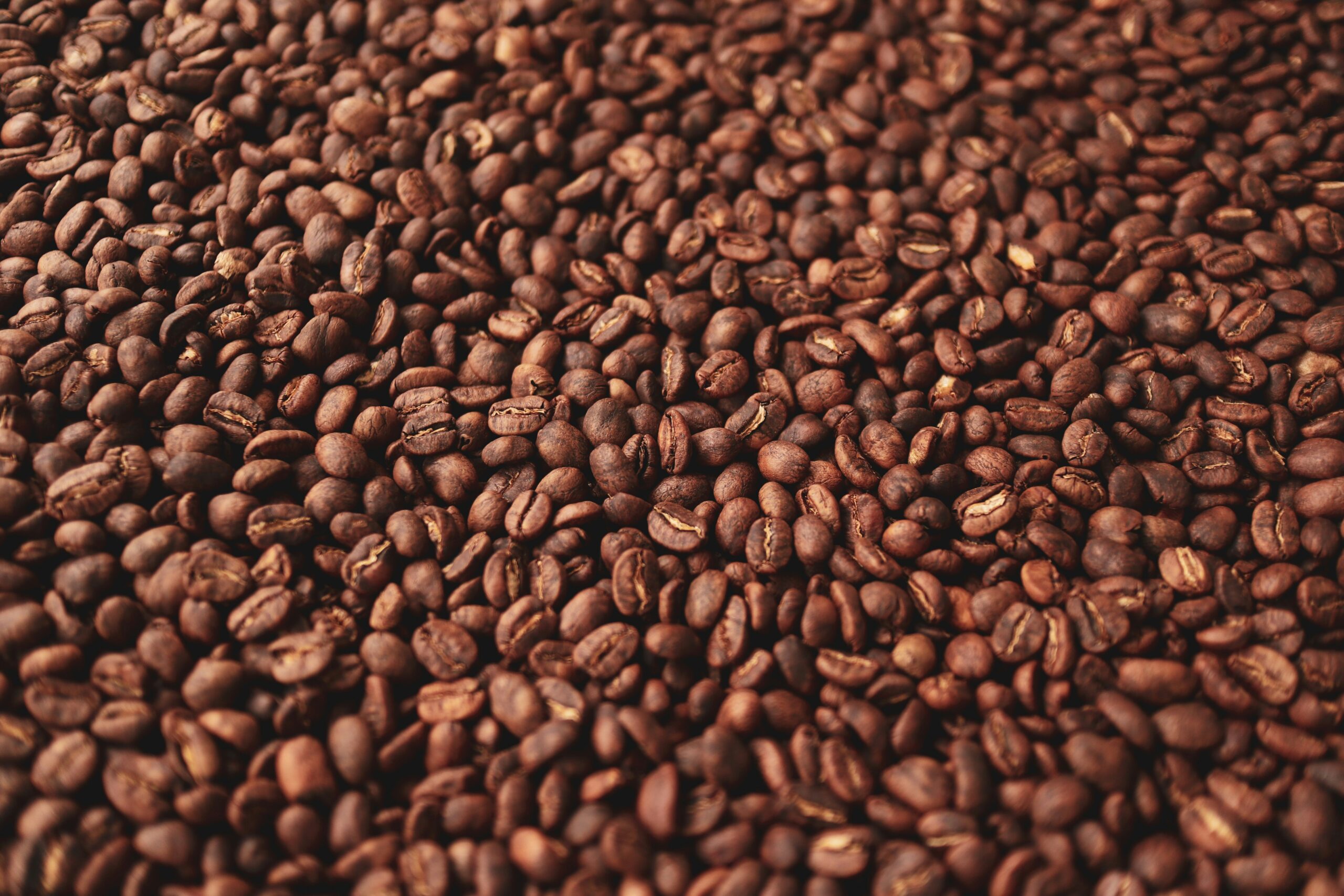
Light RoastBest for beginners who enjoy fruity, citrusy, or tea-like flavors when brewing with pour-over
or drip coffee makers.
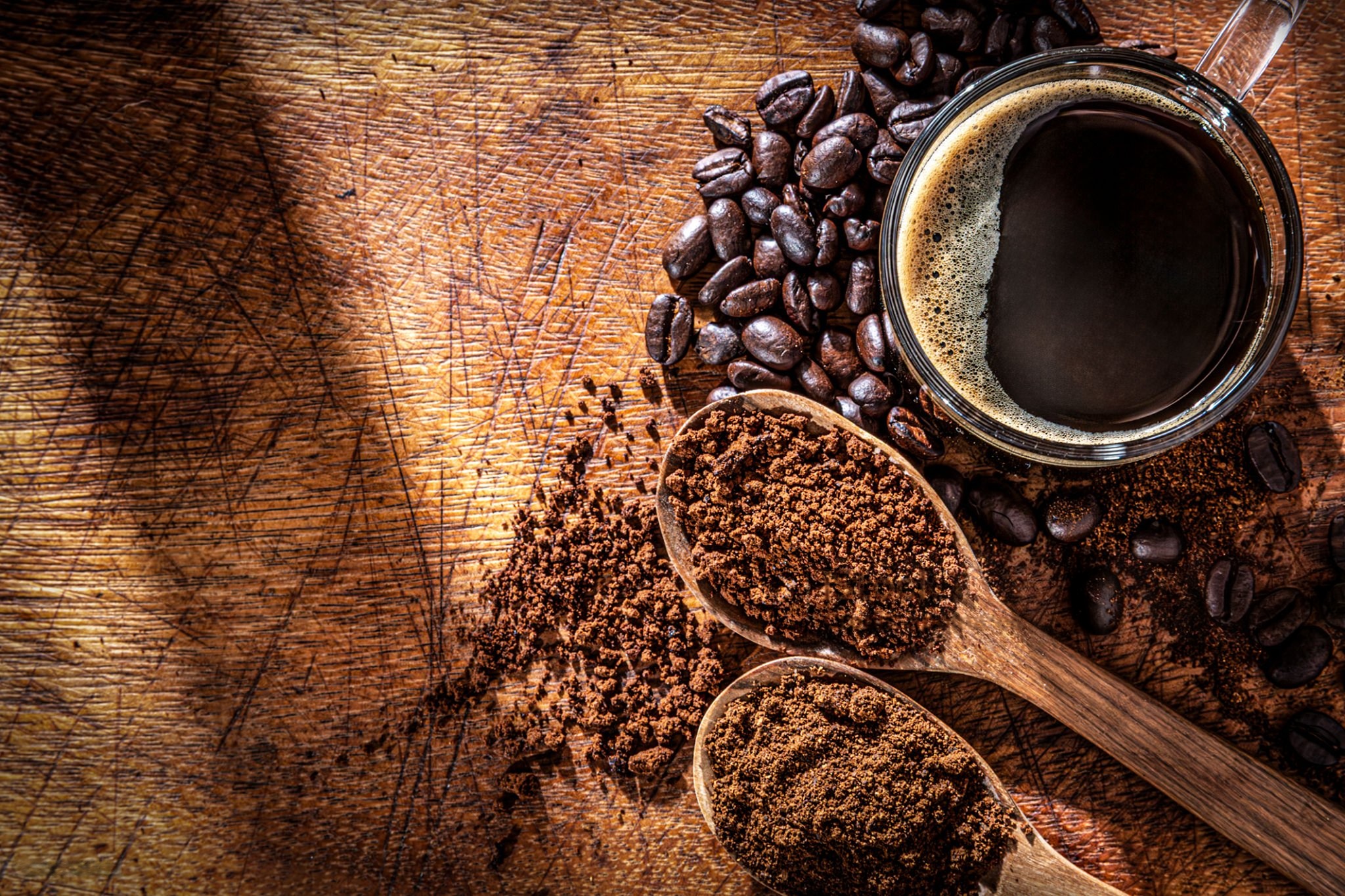
Medium RoastThe safest and easiest roast for beginners, offering balanced sweetness, aroma, and body
across nearly all brewing methods.
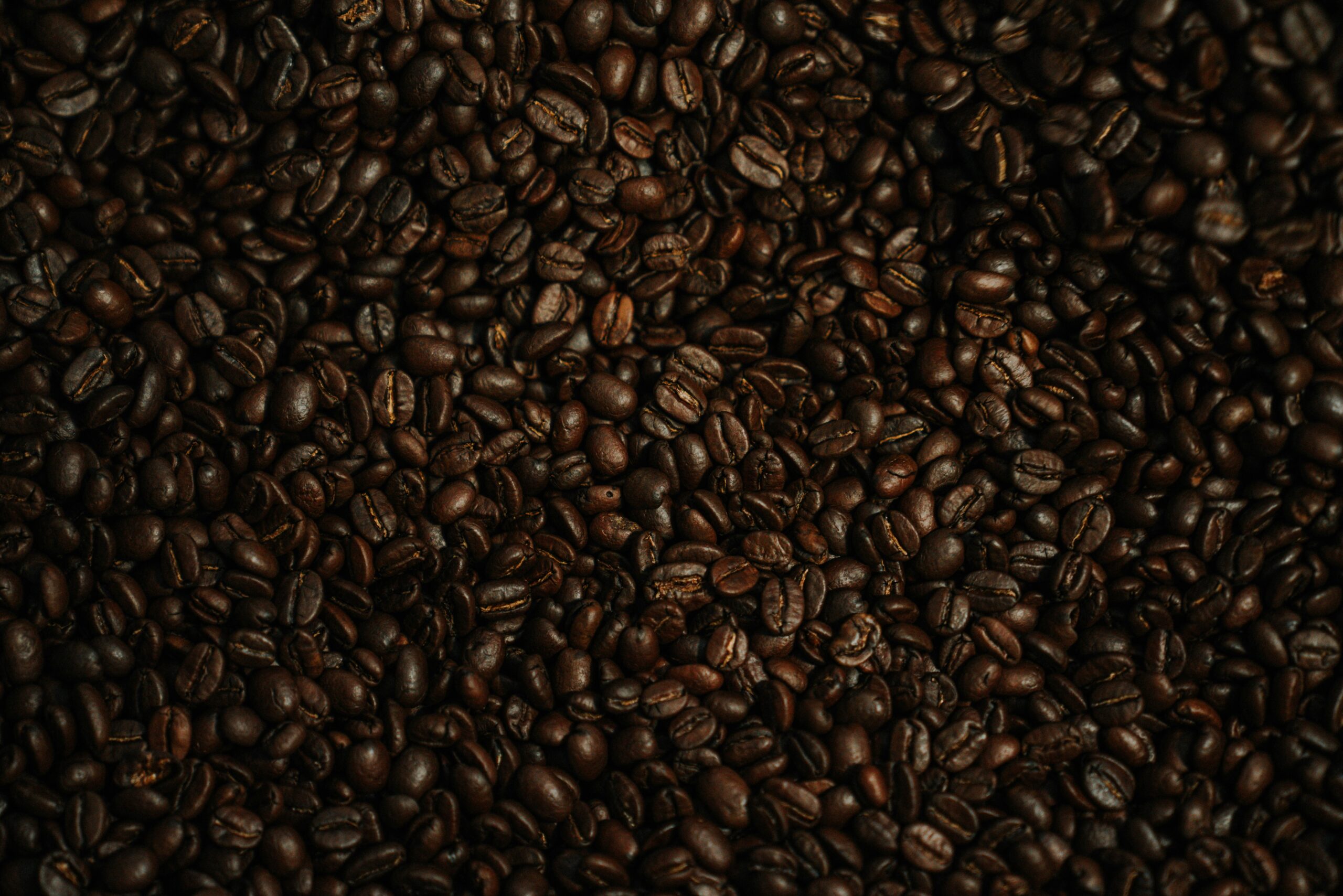
Dark RoastBeginner-friendly if you prefer strong, bold cups, especially when brewing with moka pots
or entry-level espresso machines.
How Beginners Should Choose Coffee Beans
1. Start with medium roast if unsure
Medium roast Arabica coffee beans provide the most forgiving balance of sweetness, acidity,
and body. They are easier to brew consistently than very light or very dark roasts.
2. Avoid ultra-dark supermarket coffee
Extremely dark coffee often tastes burnt and bitter rather than strong.
Beginners usually get better results from balanced medium or medium-dark roasts.
3. Choose whole beans if you own a grinder
Whole beans stay fresh longer and allow you to adjust grind size.
If you plan to upgrade, explore our coffee grinders guide.
4. Buy smaller bags for freshness
Freshness matters more than buying in bulk. Beginners should choose bags they can finish
within a few weeks.
Common Coffee Bean Mistakes Beginners Should Avoid
Many beginners unknowingly sabotage their coffee by making simple mistakes when buying beans.
Avoiding these errors can dramatically improve flavor without upgrading equipment.
Buying beans without checking roast level
Roast level affects flavor more than brand. Beginners should prioritize medium roast coffee beans
instead of assuming darker is stronger.
Ignoring freshness and storage
Coffee beans lose aroma over time. Store them in airtight containers away from heat and light.
Using the wrong grind size
Incorrect grind size causes bitterness or sourness.
Refer to a grind chart and adjust gradually.
Beginner Coffee Beans FAQ
What are the best coffee beans for beginners?
Medium roast Arabica beans are best for beginners because they are smooth, balanced,
and forgiving across most brewing methods.
Are whole beans better for beginners?
Whole beans are better if you own a grinder, but beginners without grinders can use pre-ground
coffee as long as they buy small, fresh bags.
Is light roast harder to brew?
Yes. Light roast coffee requires more precise grind size and technique.
Medium roast is easier for beginners.
Which brewing method is easiest?
Drip coffee makers and pour-over brewers are the easiest brewing methods for beginners.
Which coffee beans work best for lattes?
Medium-dark espresso blends with chocolatey notes work best for lattes and other milk-based drinks.
For professional standards on coffee quality and roast levels, refer to the
Specialty Coffee Association (SCA).