The coffee beans you choose matter more than any gadget on your coffee bar. A premium grinder and precise kettle cannot rescue dull, flat beans. This 2026 guide walks you through the main types of fresh roasts, how they taste, and which beans fit your favorite brewing methods at home. Use this page as your central hub before buying your next bag — jump to deeper guides for Arabica beans, decaf options, and espresso roasts, plus best-seller picks from Amazon US.
Top Coffee Beans Picks for 2026
Below are popular picks on Amazon US, chosen for consistent quality, reliable roast profiles, and suitability for manual brewers. These options are great starting points if you want predictable cups while you experiment with grind, dose and brew time.


As an Amazon Associate, we earn from qualifying purchases. Images from Amazon Product Advertising API.
Coffee Beans Comparison: Arabica vs Espresso vs Decaf
This comparison highlights the practical differences you’ll feel in the cup when comparing different coffee beans — caffeine, roast styles, and flavor profiles.
| Bean Type | Caffeine Level | Typical Roast & Flavor | Best For |
|---|---|---|---|
| Arabica beans | Normal | Light–medium roast; clean, sweet, with chocolate, nutty, caramel, or fruity notes depending on origin. | Pour-over, French press, drip — clarity, aroma, and complex flavors. |
| Espresso roasts | Normal | Medium-dark to dark; syrupy body, caramelized sugars, chocolate and nutty notes, stable crema. | Espresso machines, moka pots, and milk-based drinks (lattes, cappuccinos). |
| Decaf beans | Low | Medium to medium-dark; depends on process (Swiss Water preserves most flavor). | Evening cups, caffeine-sensitive drinkers, or blended roasts to lower caffeine. |
Explore Arabica, Espresso Roast, and Decaf
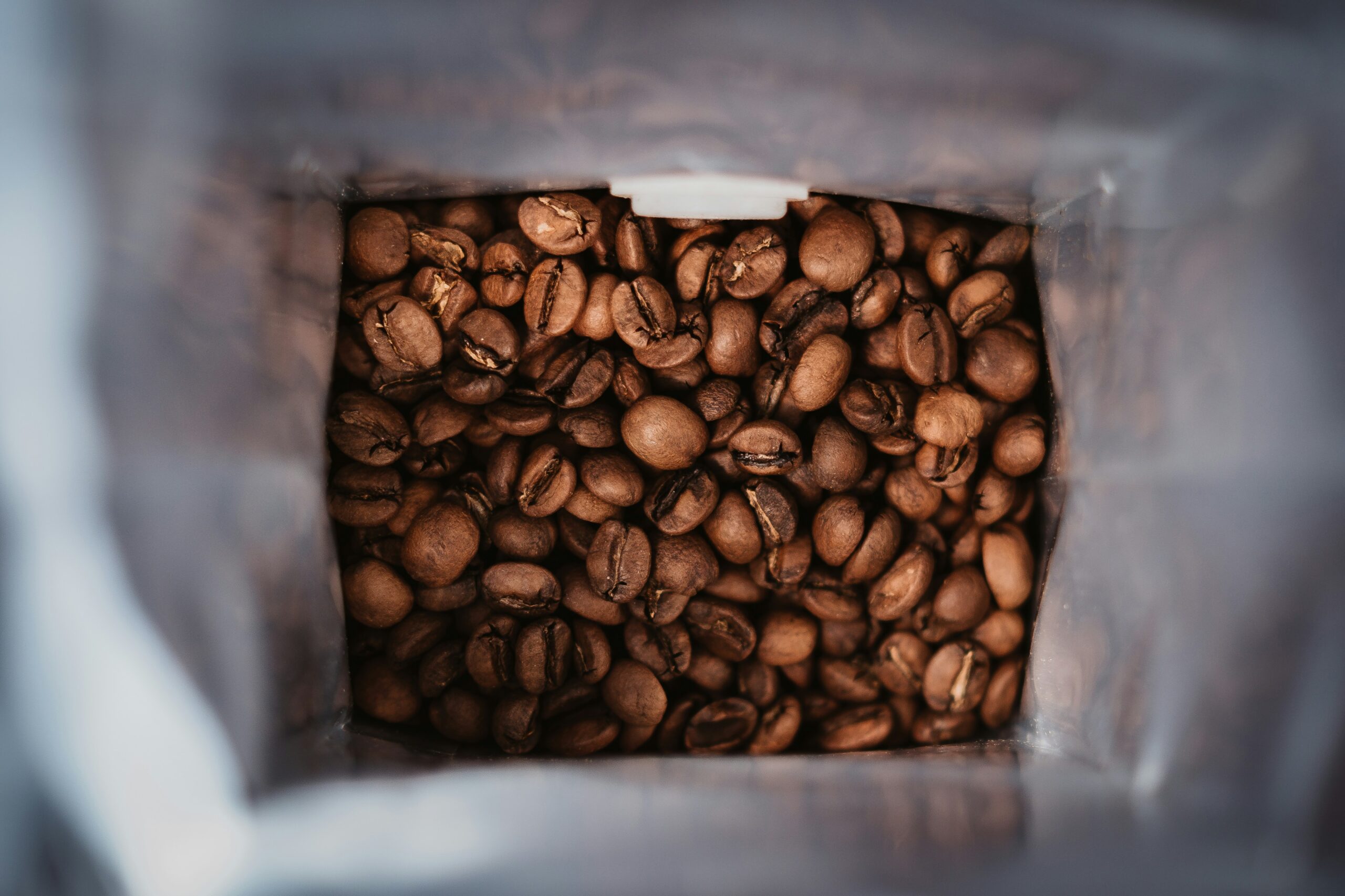
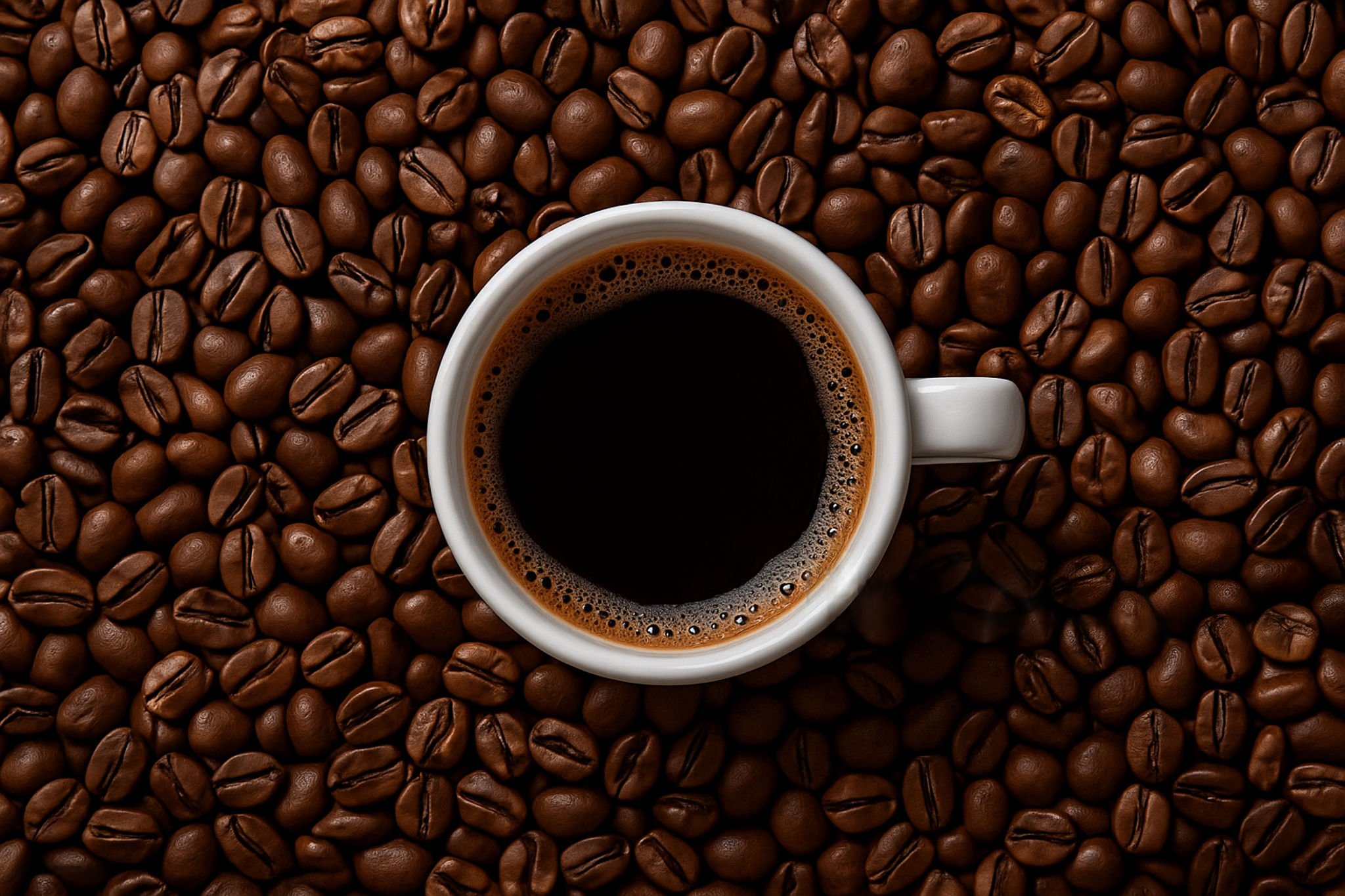
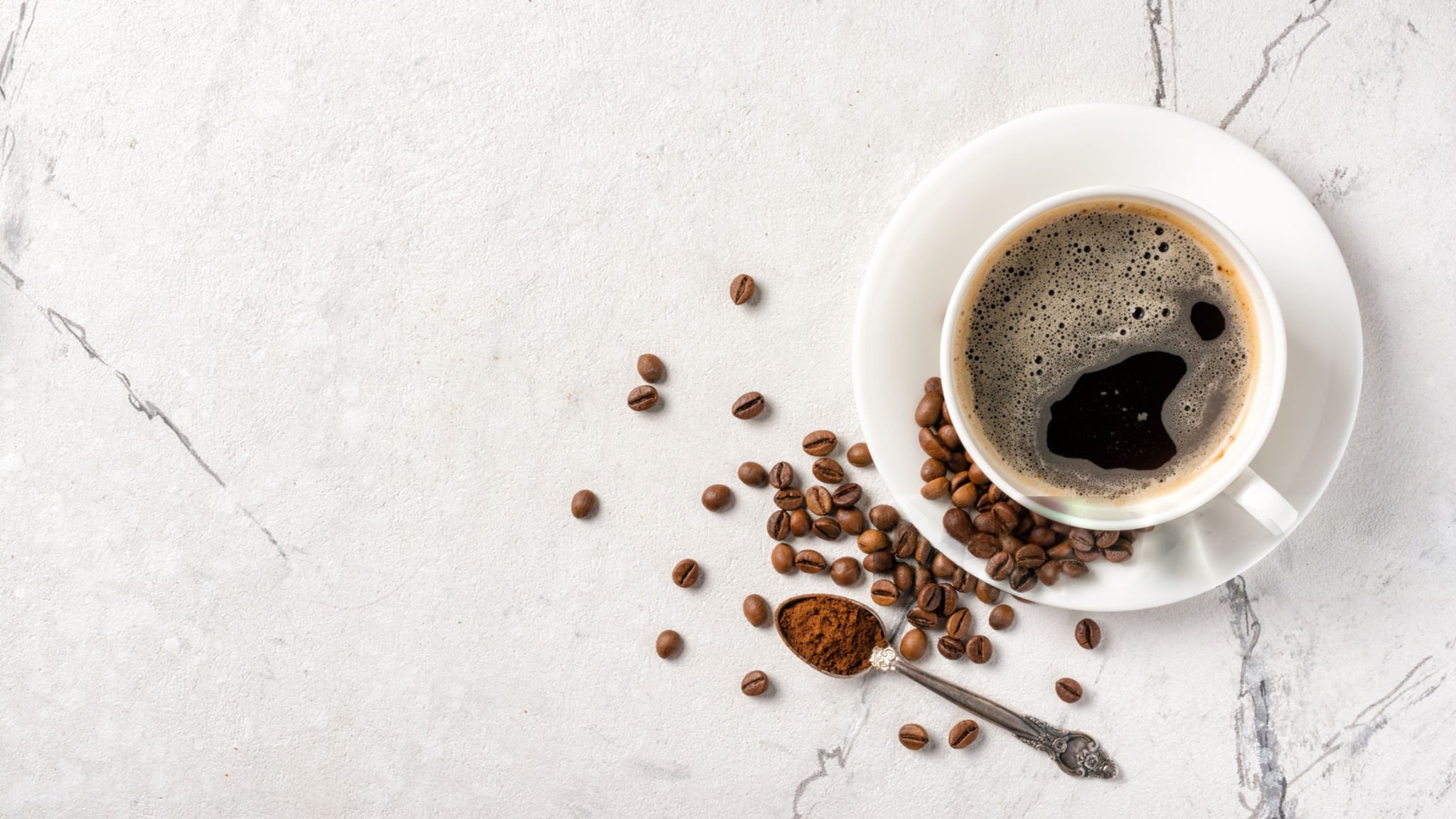
Main Types of Coffee Beans for Home Brewing
When people talk about buying beans, they often mix species (Arabica vs Robusta), roast level (light–dark), origin, and whether they are decaf. Each variable changes the cup in a predictable way — once you learn them, shopping becomes easy instead of overwhelming.
Arabica Beans — clarity and sweetness
Arabica is the foundation of specialty coffee. You’ll find single-origin Arabica with bright fruit or flower notes, and blended Arabica roasts for balanced everyday drinking. For pour-over and drip, aim for light to medium roast coffee beans to preserve origin clarity. For espresso, choose a medium to medium-dark Arabica blend that holds up under pressure and pairs well with milk.
Espresso Roasts — body and crema
Espresso roast doesn’t mean a different species — it’s a profile and often a blend aimed at delivering body, sweetness and crema. The roast profile reduces perceived acidity and emphasizes caramelized sugars, which is why these blends taste fuller and pair with milk well.
Decaf Options — modern decaf is surprisingly good
Decaffeination methods matter. Swiss Water and CO2 methods preserve flavor best. If you avoid caffeine, buy decaf that lists the process and origin — those tend to be higher-quality. When brewed properly, many modern decaf coffee beans feel almost identical to regular coffee.
Choosing the Right Roast Level
Roast affects acidity, body and sweetness of your brew. Keep this quick rule:
- Light roast: origin character, bright acidity → pour-over, filter
- Medium roast: balanced, versatile → daily drip, French press
- Dark roast: bold, roasty → espresso, milk drinks
Grind Size and Gear
The right grind is more important than a $500 machine. If you brew with a French press, use coarse. Pour-over needs medium-fine; espresso requires a fine, consistent grind. If you don’t have a burr grinder, prioritize getting one — this single upgrade improves extraction from your coffee beans far more than a new kettle.
For matching gear see: Coffee grinders, Manual brewers, and Coffee machines.
Quick Buying Checklist
- Check the roast date — prefer within 2 months.
- Buy whole beans unless you need immediate convenience.
- Read recent reviews for freshness & packaging.
- Choose roast level for your main brewer (see guide above).
- For espresso, consider bags labeled “espresso” or medium-dark roast.
Simple Brewing Tips to Improve Your Cup
A better cup is often one small technique away. Try these practical changes:
- Grind right before brewing to capture aromatic oils.
- Use filtered water at 92–96°C for most brews.
- Measure coffee beans and water by weight (scale) — aim 1:15 for starters.
- Rinse paper filters for cleaner taste on pour-over.
Ready to dive deeper? Choose your path: Arabica guide · Espresso roasts · Decaf options.
FAQs About Coffee Beans for Home Brewing
What are the best coffee beans for beginners?
Medium roast Arabica blends are best for beginners. They are forgiving, balanced, and compatible with most home brewers like French press, pour-over and drip machines.
How long do whole beans stay fresh?
Peak flavor is usually within 2–4 weeks of roast date if stored in a cool, airtight container; use within a month for best results.
Should I buy whole beans or pre-ground?
Whole coffee beans are recommended because they preserve aroma and flavor; grind right before brewing for best results.
Can I use espresso roast for pour-over?
Yes — but espresso roasts tend to be darker and may taste heavier, smokier, or less bright on pour-over. If you like bold, low-acid flavors, try it; otherwise choose a medium roast for more clarity.
Is decaf coffee a good substitute for regular coffee?
Modern decaf can be excellent. Choose decafs processed with Swiss Water or CO2 methods and buy whole-bean if possible to keep flavor.
For technical resources on grading standards see the Specialty Coffee Association (SCA).